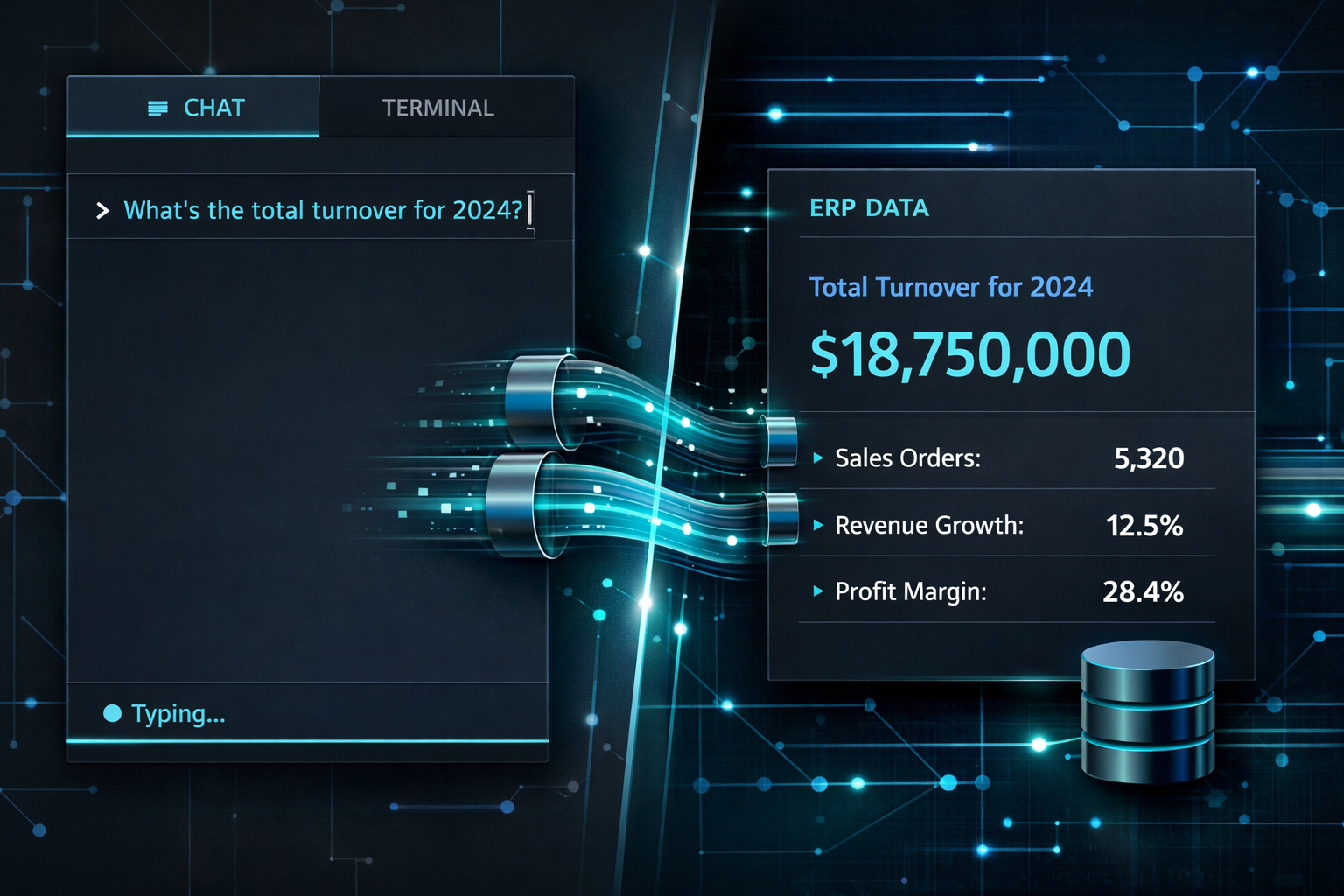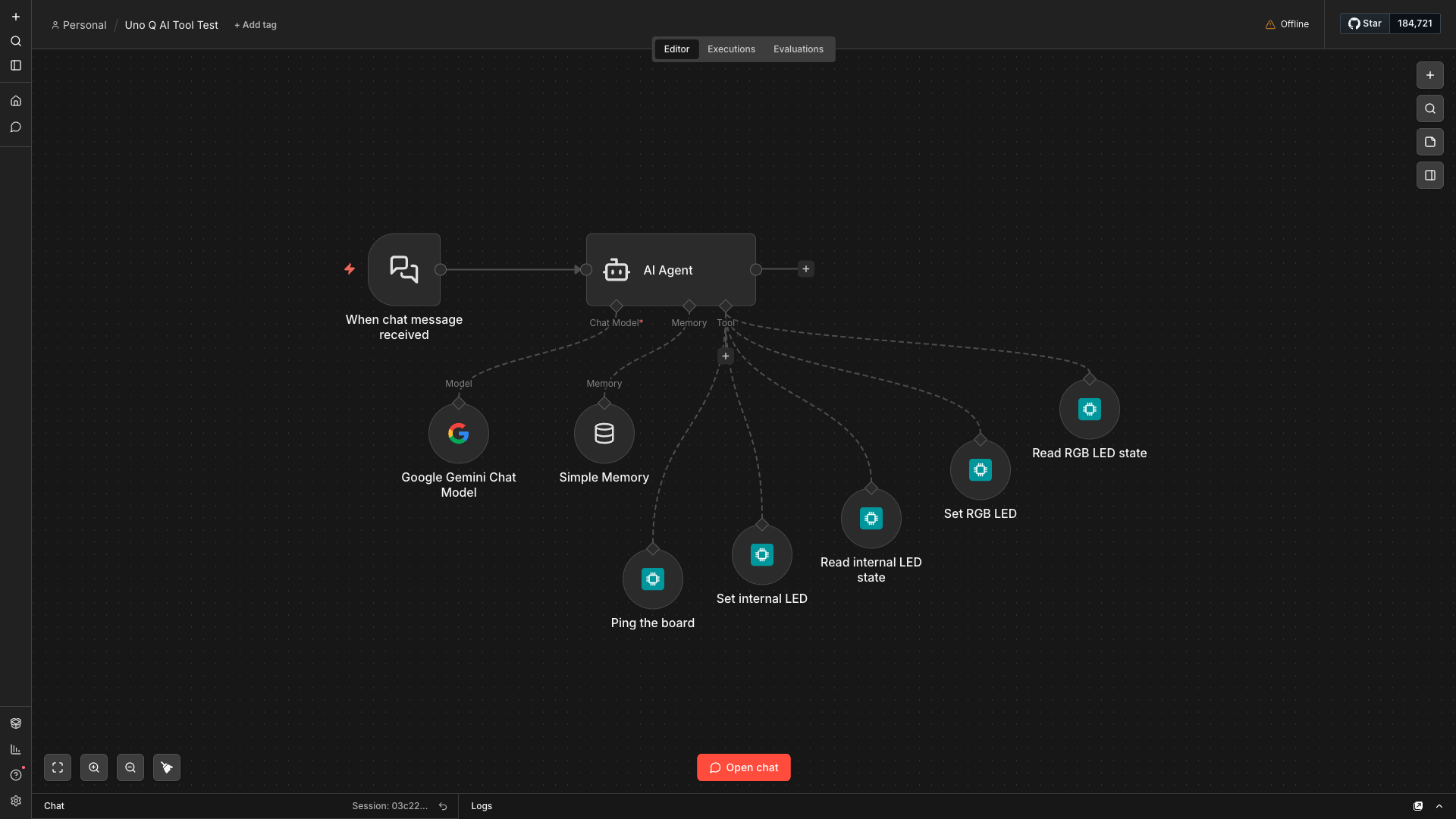
Controlling Arduino Hardware from n8n — Including from an AI Agent The Arduino UNO Q is a small Linux board with a co-processor microcontroller — think a Raspberry Pi and an Arduino Uno welded together, with a software bridge between them. It runs Docker. It runs n8n. And it has an on-board MCU that can read sensors, drive GPIO, and talk to I²C devices.
Use Cases & Insights
AI That Actually
Works in Business.
Real-world AI applications across sales, operations, finance, and HR — with concrete outcomes and implementation detail, not hype.
If you haven't read our intro on MCP Servers yet, start there — it covers the full picture of where Agentic AI delivers the highest ROI, when connected to external data sources in real-time.
If you run a HubSpot site in more than one language, you already know the routine. Open the source post. Copy the content. Paste it into a translation tool. Clean up the HTML it mangles. Open the HubSpot editor. Create the language variant. Paste back. Fix the slug. Update the meta description. Find the JSON-LD schema buried in the head HTML and translate the strings without breaking the markup. Publish. Repeat for every page.
The complete implementation guide: building the ADK agent, handling tool calls, and what happens when an LLM meets real ERP complexity.
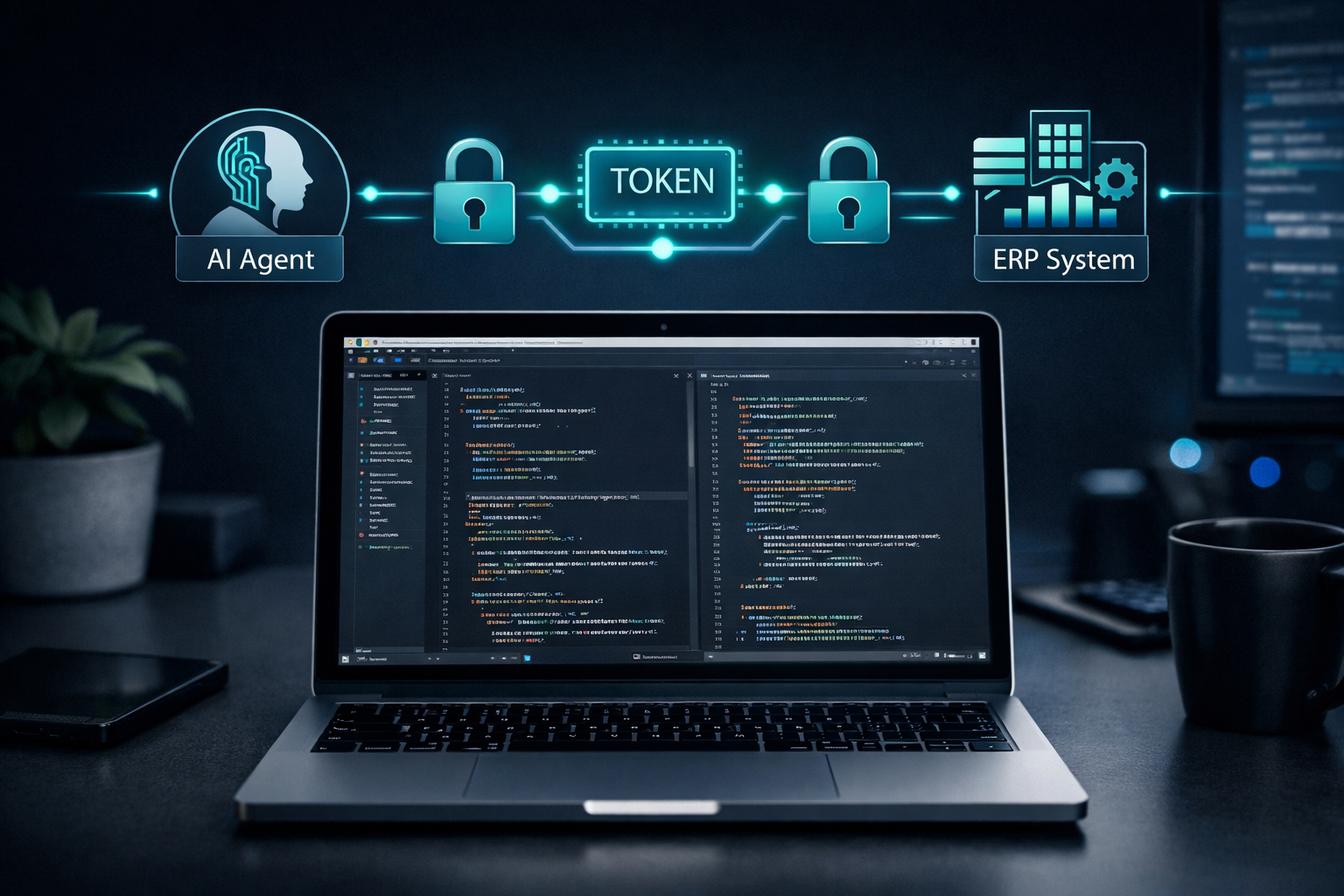
A technical deep-dive into connecting Google's Agent Development Kit with NetSuite's ERP — the authentication challenges nobody talks about, and the research journey that led to a working solution.
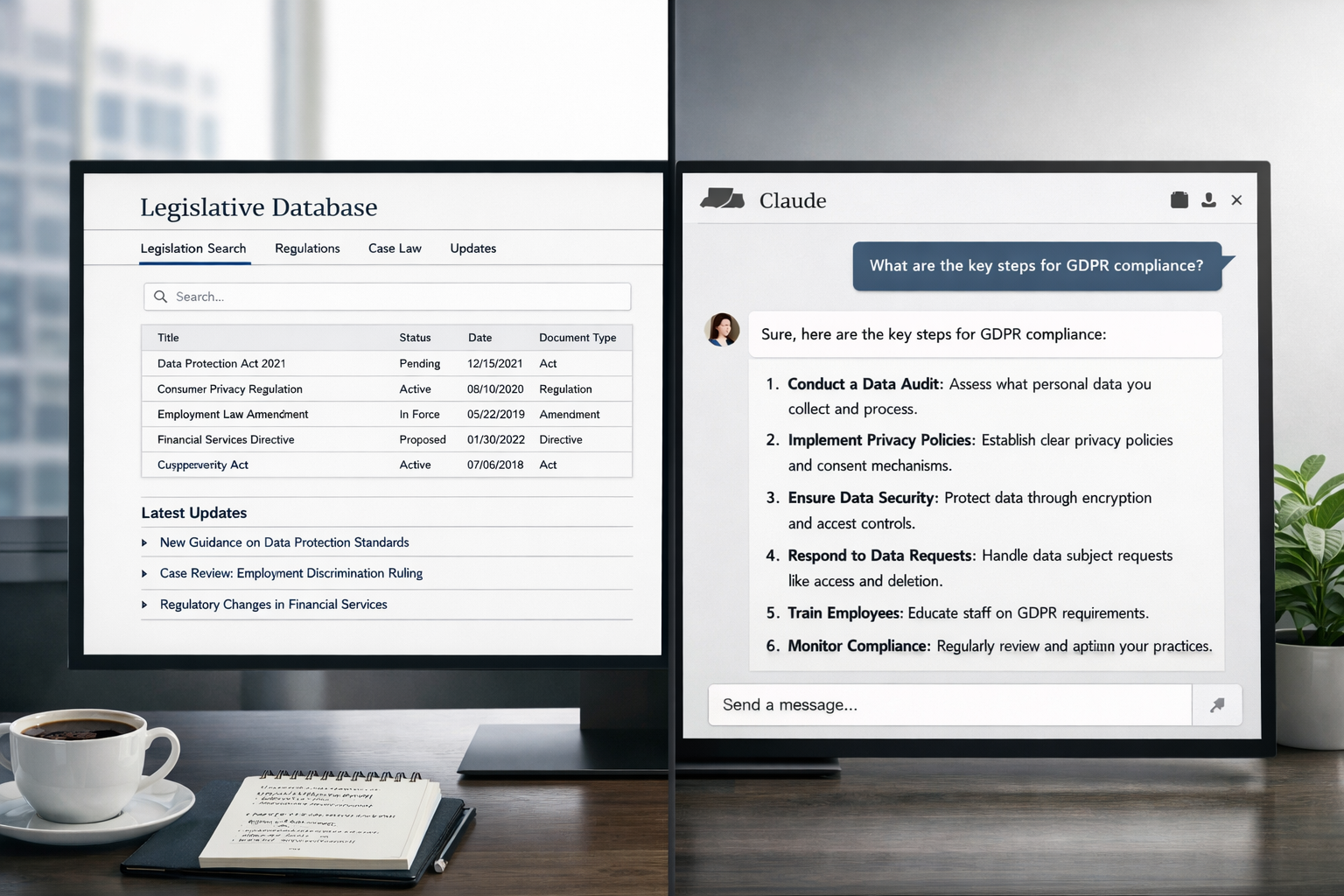
The EU AI Act is already in force. Italian Law 132/2025 is live. GDPR now explicitly covers automated decisions. If you deploy AI in your business and haven't reviewed your compliance posture, the clock is running.
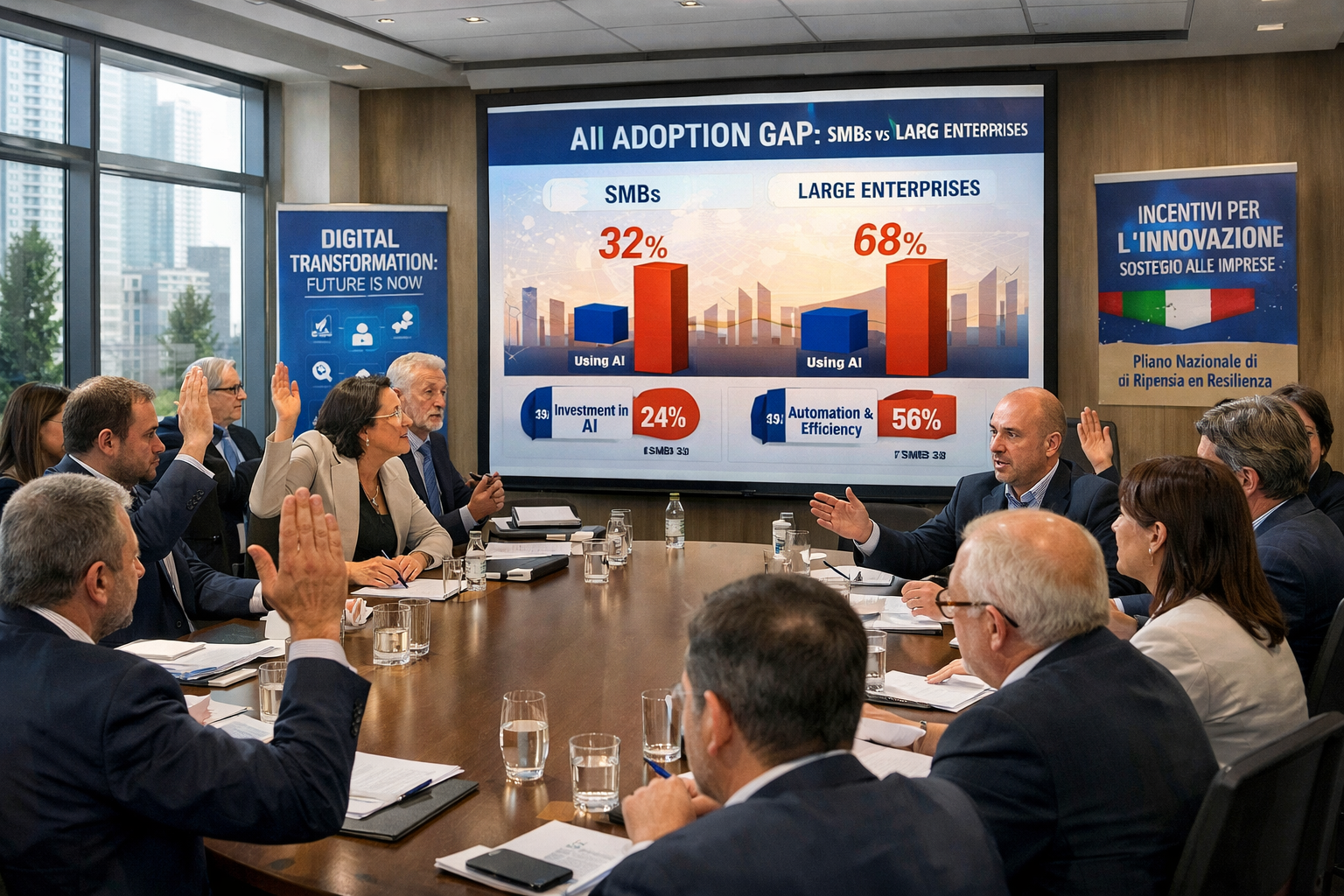
Italy's AI market grew 58% in 2024. The share of Italian SMBs that have actually started an AI project sits at 15% for mid-sized companies and 7% for smaller ones — against more than 50% for large enterprises. That gap isn't explained by scepticism: 84% of Italian business leaders agree AI positively impacts productivity. Here's what actually explains the gap, and what successful adopters do differently.
Every few months, a business asks us to fine-tune an AI model for their use case. Sometimes that's exactly the right call. More often, the problem they're trying to solve is better addressed by RAG or better prompting — faster to deploy and cheaper to maintain. Here's the decision framework that makes the difference.
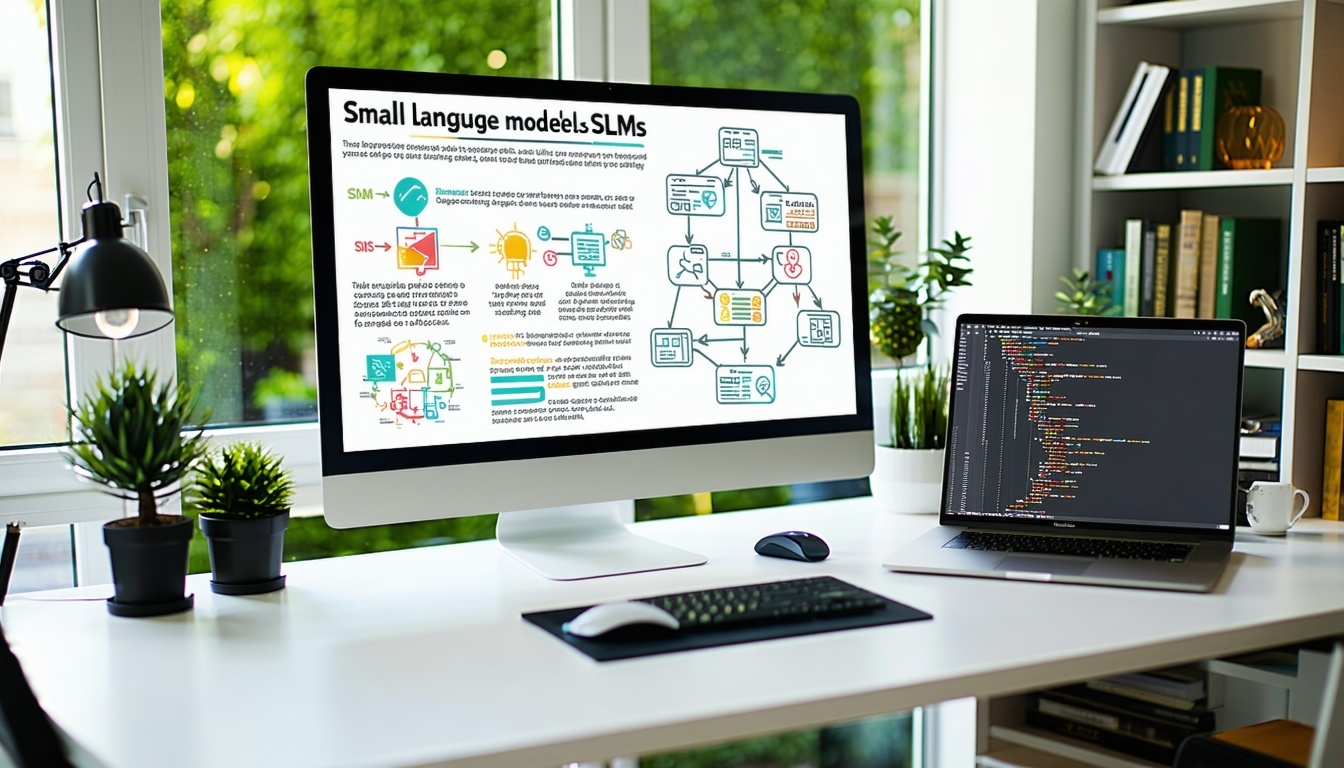
Small Language Models: Privacy, Cost and GDPR Compliance for European Businesses A few months ago, an Italian manufacturing company asked me to review their AI setup. They had integrated a major US-based LLM API into their document processing workflow — invoices, purchase orders, supplier contracts. The system worked well. Then their DPO asked a simple question: "Where does that data go when we send it to the API?"
The boundaries between conversation and commerce are about to disappear. In a groundbreaking partnership, OpenAI and Shopify are developing a native checkout system that will allow ChatGPT users to discover, compare, and purchase products without ever leaving their chat interface. This isn't just another tech integration—it's a fundamental shift that could reshape how we shop online.
Ready to go beyond reading?
We Build the
Use Cases We Write About.
Every article in this section maps to something we've implemented for a real business. If a use case resonates, the next step is a 30-minute call to explore whether it fits your context.