Controlling Arduino Hardware from n8n — Including from an AI Agent The Arduino UNO Q is a small Linux board with a co-processor microcontroller — think a Raspberry Pi and an Arduino Uno welded together, with a software bridge between them. It runs Docker. It runs n8n. And it has an on-board MCU that can read sensors, drive GPIO, and talk to I²C devices.
Use Cases & Insights
AI That Actually
Works in Business.
Real-world AI applications across sales, operations, finance, and HR — with concrete outcomes and implementation detail, not hype.
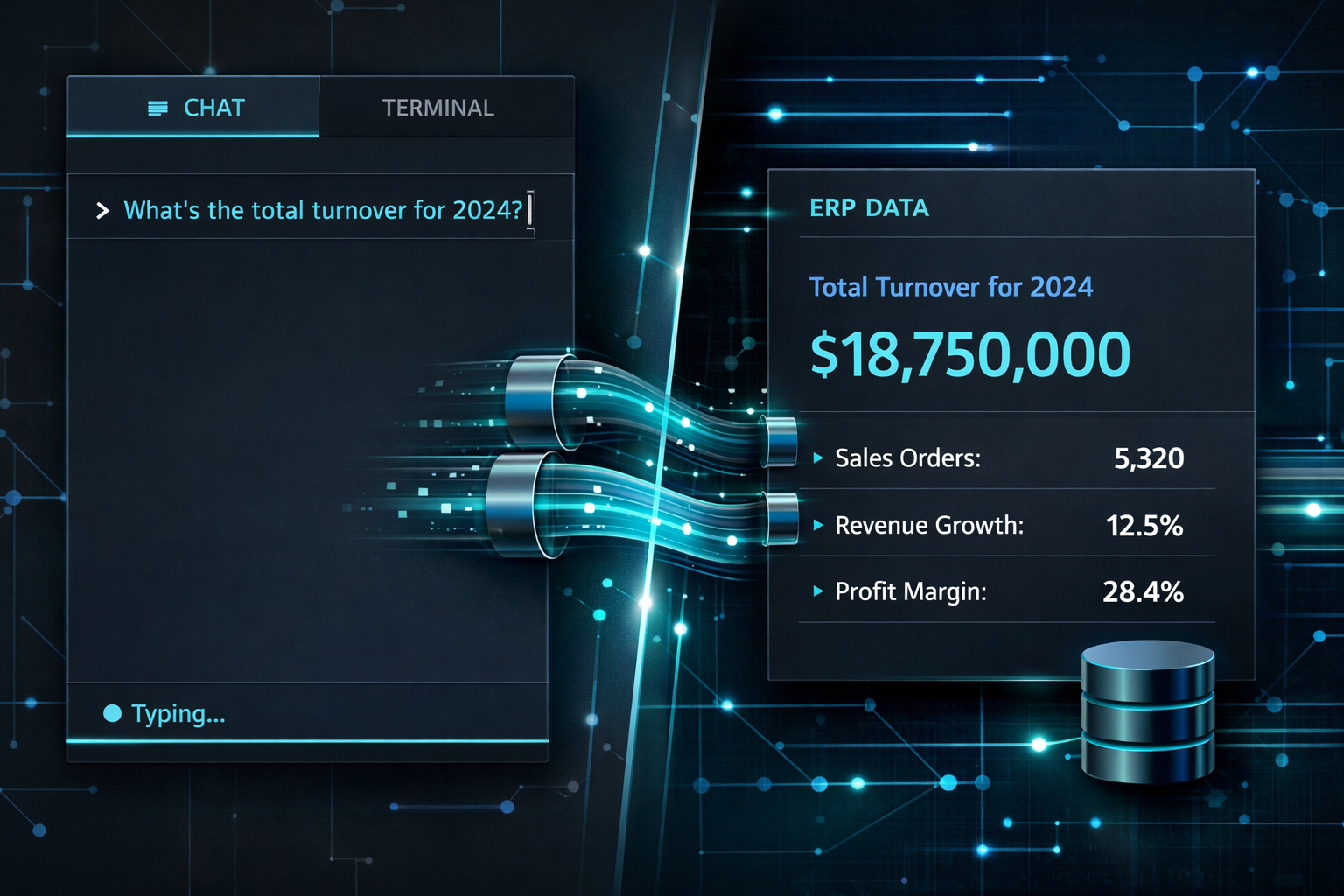
If you haven't read our intro on MCP Servers yet, start there — it covers the full picture of where Agentic AI delivers the highest ROI, when connected to external data sources in real-time.

If you run a HubSpot site in more than one language, you already know the routine. Open the source post. Copy the content. Paste it into a translation tool. Clean up the HTML it mangles. Open the HubSpot editor. Create the language variant. Paste back. Fix the slug. Update the meta description. Find the JSON-LD schema buried in the head HTML and translate the strings without breaking the markup. Publish. Repeat for every page.
The complete implementation guide: building the ADK agent, handling tool calls, and what happens when an LLM meets real ERP complexity.
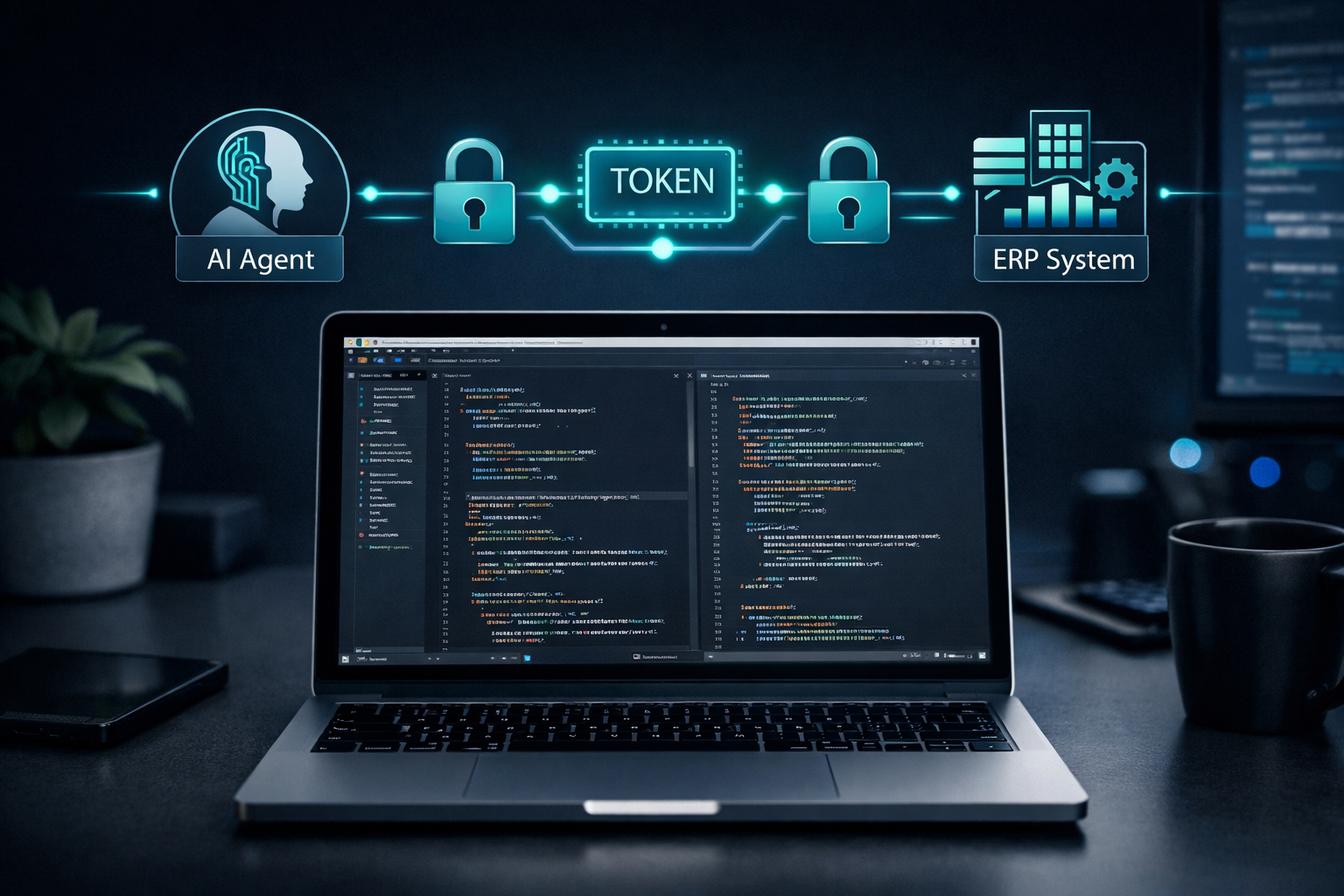
A technical deep-dive into connecting Google's Agent Development Kit with NetSuite's ERP — the authentication challenges nobody talks about, and the research journey that led to a working solution.
An AI customer support chatbot is only as good as the knowledge it's built on. The technology is available and mature — the challenge is designing a system that handles what it should, escalates what it shouldn't, and builds rather than erodes customer trust. Here's the architecture that works, and the decisions that matter most.
A typical tender document runs 180–250 pages. Somewhere in those pages are the five or six details that determine whether submitting a bid is worth your team's time. Most procurement teams read the whole thing anyway — because missing a disqualifying clause late is worse than never bidding. That sequential read-to-qualify workflow is where AI removes the most time, without removing the human judgement that determines whether to bid.
Most AI onboarding tools promise dramatic time savings. The harder problem is building something that handles Italian employment contracts, CCNL complexity, and HR data privacy. Here is what that actually looks like.
Due diligence is fundamentally a document problem. A typical M&A or investment process generates hundreds of documents spread across a data room that analysts need to read, extract from, cross-reference, and flag within a compressed timeline. AI addresses the document problem directly — and doesn't replace the judgement layer that sits on top of it.
Most businesses don't have a spreadsheet problem — they have a data structure problem that a spreadsheet is inadequately solving. AI can help with the analysis, but only once the underlying structure is workable. Here's what AI actually does with your data, and when it's faster to fix the spreadsheet than to add intelligence on top of it.
Ready to go beyond reading?
We Build the
Use Cases We Write About.
Every article in this section maps to something we've implemented for a real business. If a use case resonates, the next step is a 30-minute call to explore whether it fits your context.